Why You Need an Emergency Pantry (and How to Start One)
There is a fine line between emergency pantry prepared and being fearful.
It’s the difference between holding too tightly to our own understanding instead of trusting the Lord to provide. Yet throughout Scripture, we also see clear examples of wisdom, stewardship, and preparation.
In the Book of Genesis, Joseph interprets Pharaoh’s dream as a warning of seven years of abundance followed by seven years of famine. During the years of plenty, the people are instructed to prepare wisely so they will have enough when the difficult years arrive.
Preparedness in the home is no different.
Sometimes provision comes through a pay raise, a good grocery sale, an unexpected bonus, or simply the ability to slowly build over time. Wisdom means preparing while we are able—not out of fear, but out of stewardship.
An emergency pantry is simply one way we care for our families well.
We are planning to be wise, not fearful.
One of the easiest ways to build an emergency pantry without waste is to already have a simple weekly meal rhythm in place. When you know what your family actually eats on a normal week, it becomes much easier to slowly add extra staples during grocery trips without overbuying or guessing.
Why a Simple Emergency Pantry Matters
Preparedness creates a cushion in the home.
In many ways, I think of an emergency pantry like a savings account. It gives your family breathing room during difficult or unexpected seasons without immediately throwing everything into panic mode.
Life happens.
Sometimes that looks like:
- a job loss
- reduced work hours
- a delayed paycheck
- rising grocery prices
- a vehicle breaking down
- severe weather keeping you home
- illness spreading through the house
- postpartum recovery
- an unexpected bill draining the budget
- stores being low on basic items
- a season where life simply feels overwhelming
And honestly, not every situation has to be a true emergency to make preparedness helpful.
Sometimes you’re exhausted.
Sometimes everyone is sick.
Sometimes getting to the grocery store just feels impossible for a few days.
Having food already on hand creates stability in the middle of those moments.
For me, preparedness isn’t about fear or trying to predict every possible disaster. It’s about stewardship. It’s about thoughtfully caring for my family with the resources God has already provided.
A simple emergency pantry gives you options. It gives you margin. It gives you peace of mind knowing that if life suddenly becomes difficult for a little while, your family is still cared for.
That’s the heart behind it.
What Is an Emergency Pantry?
When many people hear the word “preparedness,” they immediately think of extreme stockpiling.
That’s not what I’m talking about here.
A simple emergency pantry is just a small backup supply of shelf-stable foods your family already eats regularly.
Right now, I believe most families should focus on building:
- a few extra meals
- a couple weeks of pantry staples
- or up to one month of food
You do not need a massive storage room to get started.
You simply need intentionality.
How to Start Building an Emergency Pantry on a Budget
Building an emergency pantry should happen slowly and intentionally.
Unless you have a large amount of extra income available, most emergency pantries are built one grocery trip at a time—and that’s completely okay.
The goal is progress, not perfection.
One of the easiest ways to start is by buying a little extra of the things you already use.
For example:
- if pasta is on sale, grab a few extra boxes
- if you use flour every week, buy an additional bag
- if canned vegetables are discounted, slowly build a small supply
- if you restock peanut butter, grab one extra jar for the pantry
Small additions build up over time.
This is one reason I love having a weekly meal rhythm. When you already know what your family eats regularly, it becomes much easier to stock extra ingredients without wasting food.
Preparedness becomes far less stressful when your grocery shopping already has structure behind it.
Focus on Foods Your Family Actually Eats
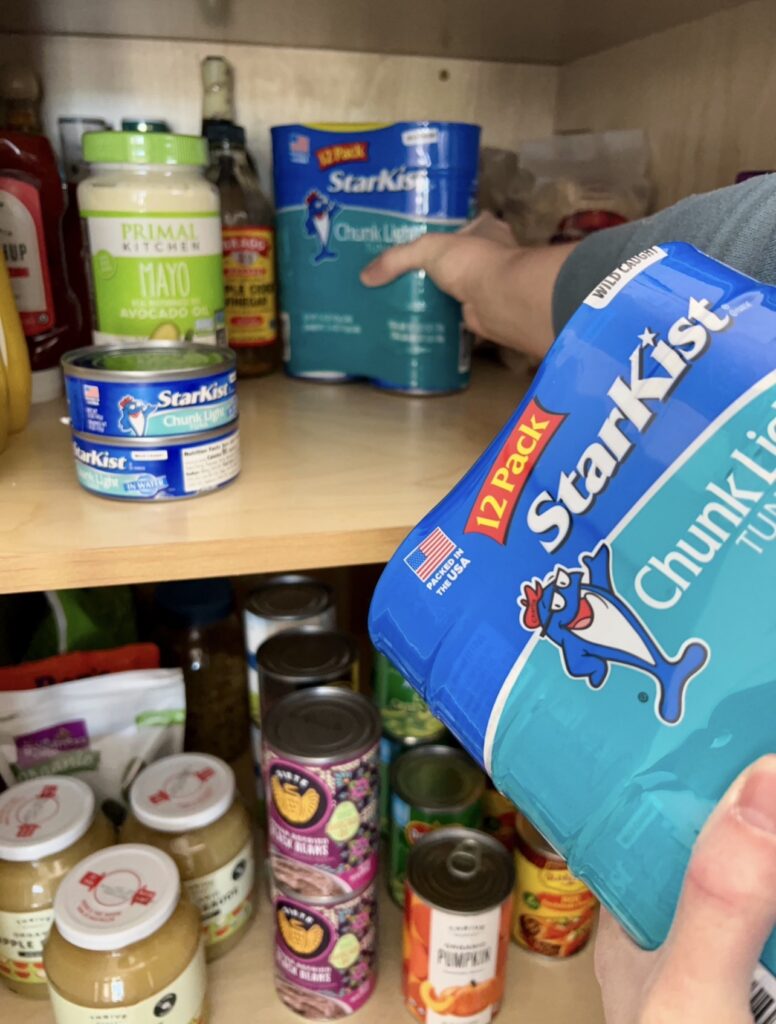
One of the biggest mistakes people make when starting a pantry is buying large amounts of food their family doesn’t even enjoy eating.
Preparedness should support your normal life—not complicate it.
Only stock foods your family realistically eats and rotates through regularly.
For example, my children do not love rice, so it’s not something I heavily prioritize. But flour and wheat berries are staples in our home because we use them constantly for breads, baking, and stretching meals further.
Knowing your family’s habits helps you build a pantry that is both practical and sustainable.
Basic Emergency Pantry Staples
Every family’s pantry will look different, but these are some simple staples that work well for many homes:
- flour
- sugar
- oats
- rice
- salt
- pepper
- yeast
- powdered milk
- peanut butter
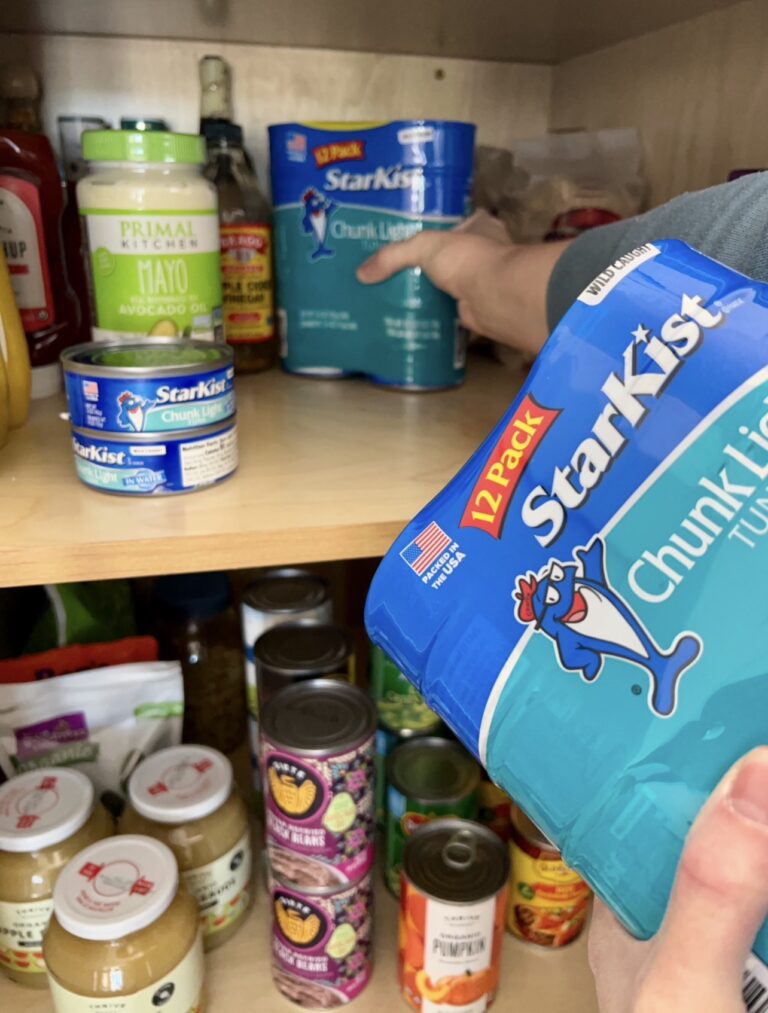
- canned tuna
- canned chicken
- canned vegetables
- pasta
- pasta sauce
- baking basics
- cooking oils
- favorite seasonings and condiments
“Precious treasure and oil are in a wise man’s dwelling, but a foolish man devours it.”
– Proverbs 21:20
Start simple and build from there.
You do not need everything all at once.
Buy in Bulk When It Makes Sense
Bulk buying and shopping sales are often the best way to slowly build an emergency pantry while staying within budget.
But preparedness is not about panic buying.
It’s about wise stewardship.
When prices are good and the budget allows, buying extra can help protect your family from future shortages, rising prices, or financially difficult seasons.
Even adding one or two extra pantry items per grocery trip can make a huge difference over time.
Proper Food Storage Matters
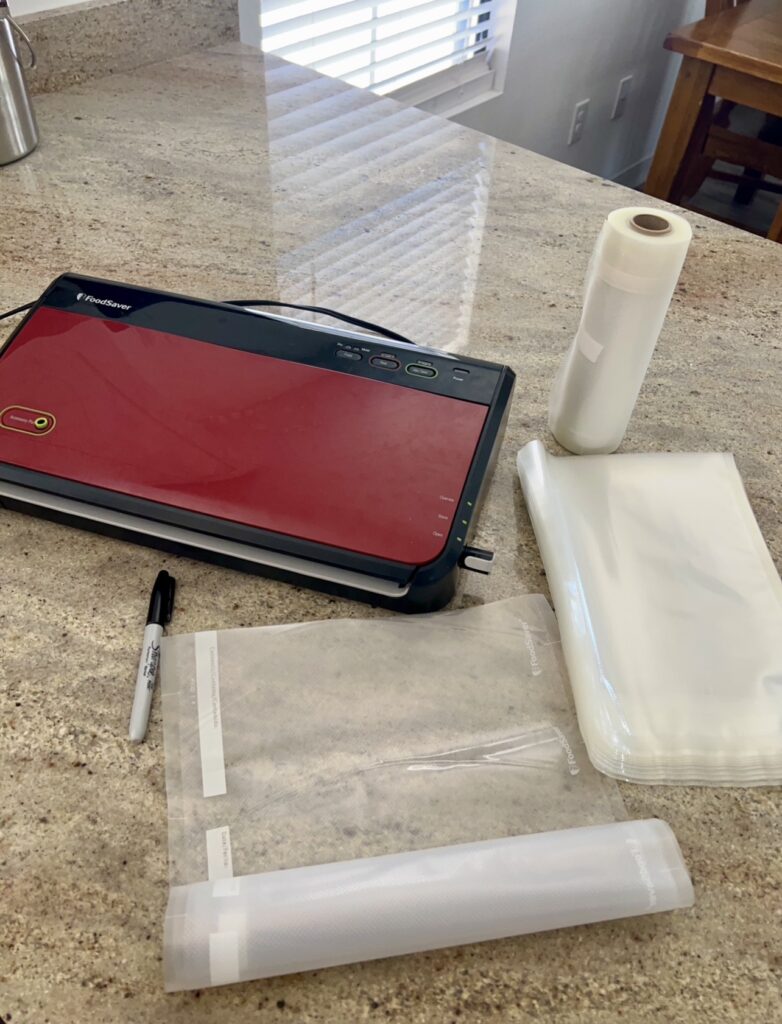
Storage is just as important as the food itself.
If you buy in bulk, you need a way to protect those items from moisture, pests, and spoilage.
Some useful storage options include:
- 5-gallon buckets
- airtight containers
- glass jars
- vacuum-sealed bags
- pantry bins or shelving
The amount of storage you need depends on your home, your family size, and how much food you keep on hand.
Preparedness does not have to look perfect. It simply needs to function well for your household.
Rotate Your Pantry Regularly
A pantry should always stay in rotation.
This means:
- using older items first
- replacing what you use
- checking expiration dates regularly
- avoiding waste whenever possible
The goal is not to store food and forget about it.
The goal is to create a working pantry that supports your family during everyday life and harder seasons alike.
Preparedness Is Stewardship, Not Fear
At the end of the day, preparedness is simply another form of homemaking.
It’s caring for your family wisely.
It’s paying attention to what your household truly needs.
It’s preparing during stable seasons so difficult seasons feel less overwhelming.
And most importantly, it’s trusting the Lord while still stewarding well what He has provided.
We are not preparing out of fear.
We are preparing with wisdom.
Final Thoughts
Building an emergency pantry does not happen overnight.
It grows slowly:
- one grocery trip at a time
- one extra item at a time
- one intentional choice at a time
The goal is not perfection or fear-driven stockpiling.
The goal is peace, preparation, and faithful stewardship.
A well-stocked pantry becomes a quiet form of security for your family—a simple reminder that thoughtful preparation can help carry a household through difficult seasons.