Emergency Pantry Vs Working Pantry: What’s the Difference?
This was a big question I had when I first started learning how to prepare food storage: emergency pantry vs working pantry—what’s the difference, and do I really need both?
Honestly, I still feel like I’m learning as I go, and I’m simply sharing what I’ve picked up along the way.
Because when you hear terms like working pantry, emergency pantry, and stockpile, it can all start to feel a little confusing.
So let’s break it down simply.
What is a Working Pantry?
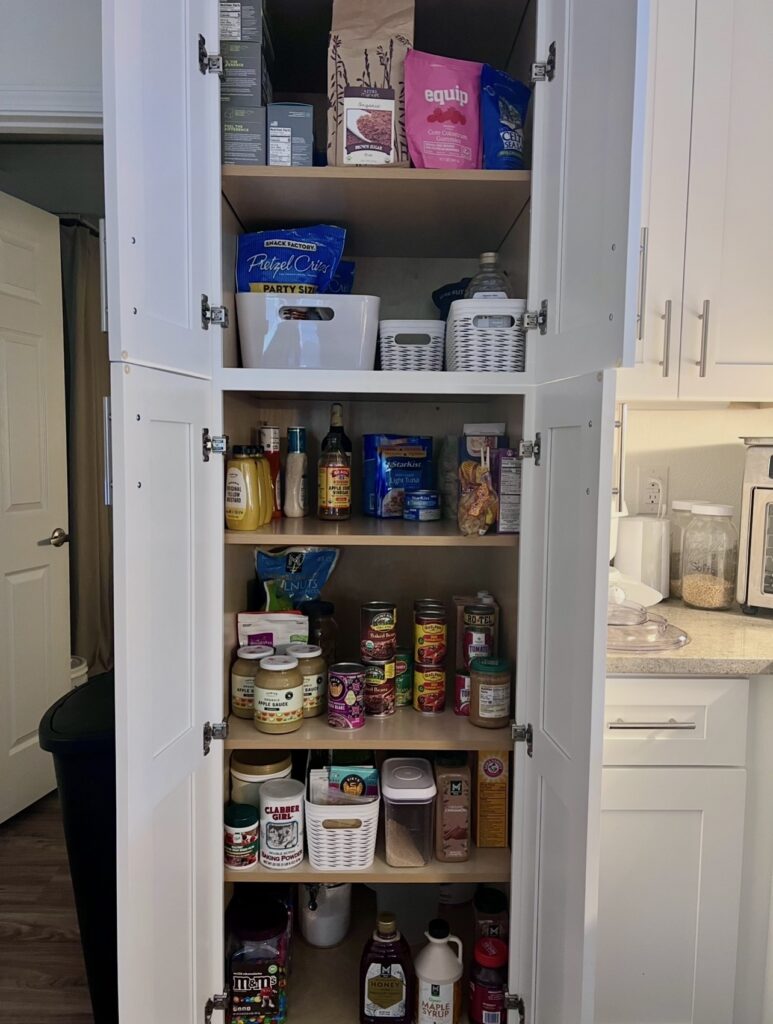
A working pantry is the food you actively use to feed your family every day.
Think of it as your everyday foundation.
This includes things like:
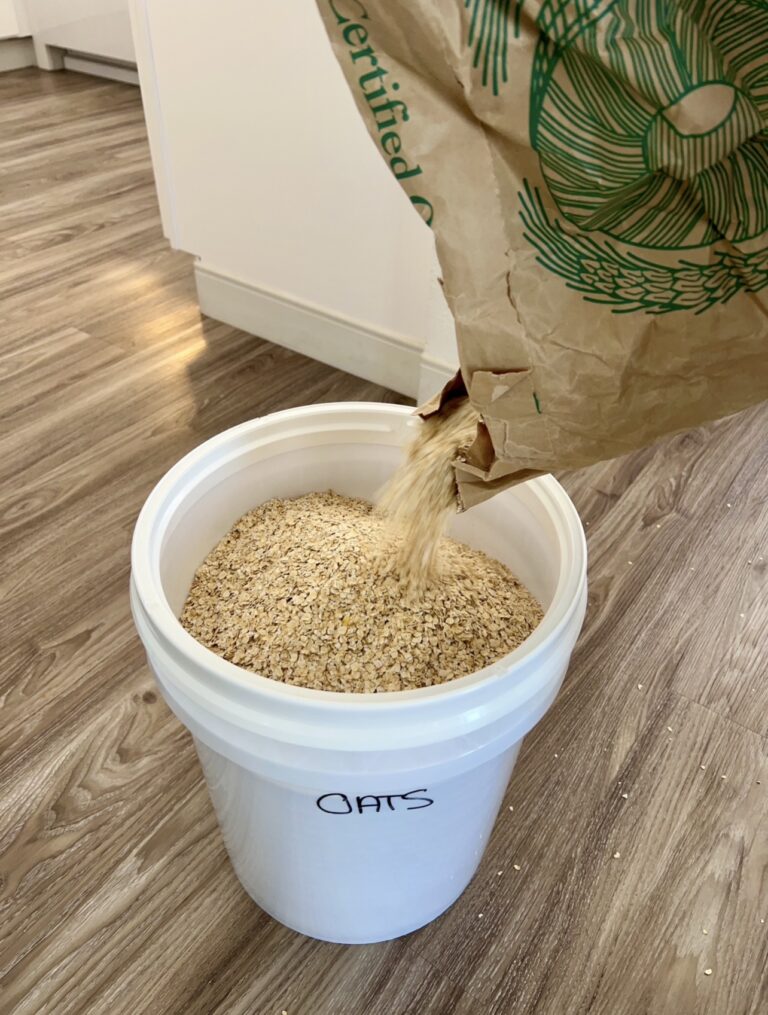
- flour, oats, rice, wheat berries
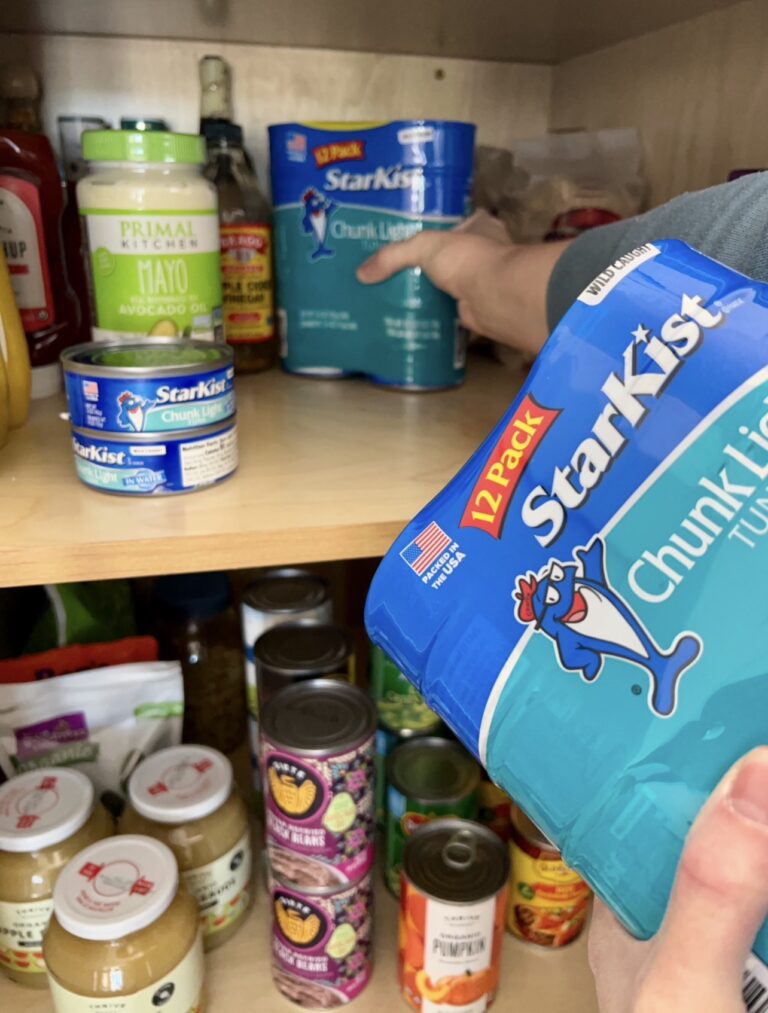
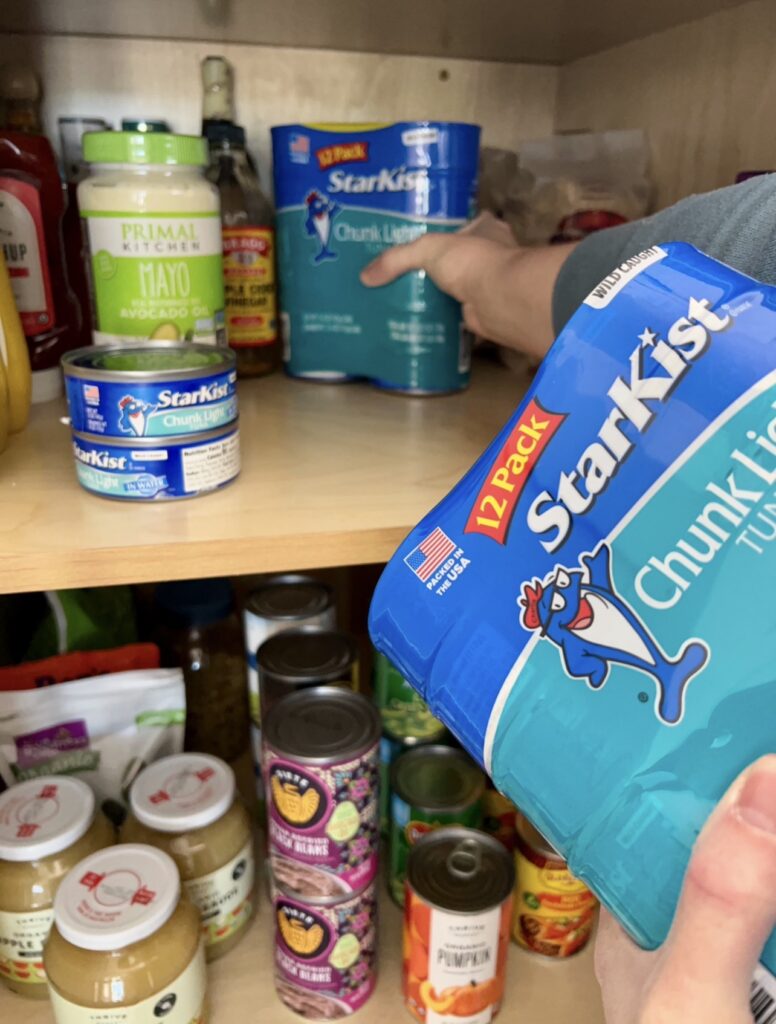
- canned goods you regularly cook with
- cooking oils, spices, sugar, salt
- pantry staples you are constantly restocking
It’s the food that moves through your kitchen constantly—the ingredients that make your daily meals possible.
For me, I like to keep at least one month of working pantry items on hand.
Not because I expect something bad to happen, but because life happens.
- sickness hits the house
- weather keeps us home
- finances get tight
- schedules get overwhelming
Having that buffer means my family is still fed without stress.
A working pantry is practical, not extreme. It’s simply being prepared for real life.
What is an Emergency Pantry?
An emergency pantry is different. This is more of a long-term food storage system—your backup layer.
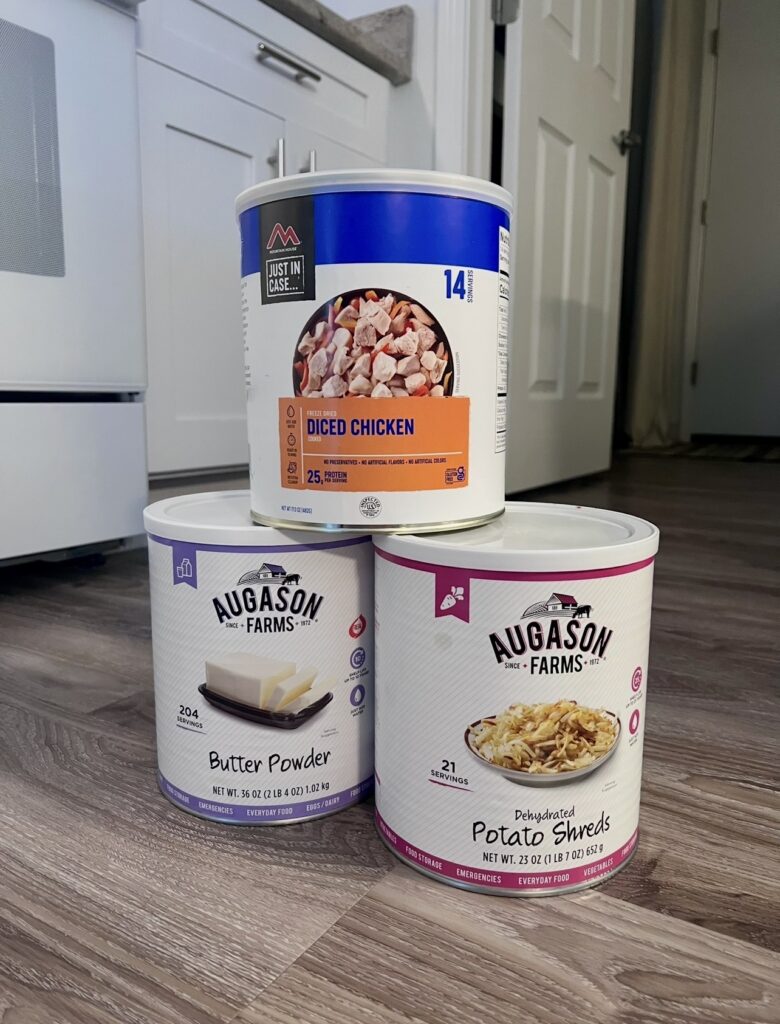
This is not the food you’re grabbing every week.
It’s the food you store for situations where normal life gets disrupted.
Think:
- mylar bags
- 5-gallon buckets
- #10 cans
- freeze-dried foods
- long shelf-life staples
This is your overflow storage.
And it can quietly sit in the background until it’s needed.
We’ve all seen seasons where stores were empty or supply chains were uncertain. In times like that, an emergency pantry becomes a calm in the chaos.
It also matters in personal crises—job loss, medical bills, or extended illness. Having a longer-term food supply means your focus can stay where it needs to be: your family.
An emergency pantry isn’t about fear.
It’s about stability.
It’s knowing your family will be fed even when life gets unpredictable.
| Working Pantry | Emergency Pantry | |
|---|---|---|
| Purpose | everyday food use | long-term backup |
| Rotation | used and replenished often | rarely touched |
| Time frame | weeks to 1–2 months | months to years |
| Examples | flour, canned goods, oats | mylar bags, buckets, freeze-dried foods |
Do You Need Both?
This is where I landed personally—and where I still stand today: yes, I believe you do.
Not because of fear, but because of stewardship.
God has called us to care for our homes and our families with wisdom. That includes being thoughtful and prepared.
As Jesus reminds us in Luke:
“For which of you, desiring to build a tower, does not first sit down and count the cost, whether he has enough to complete it?” – Luke 14:28
I don’t see it as extreme any more than:
- having life insurance
- filling your gas tank before a storm
- keeping a spare change of clothes in the car for kids
It’s simply preparation for real life.
The 3 Layers of a Pantry System
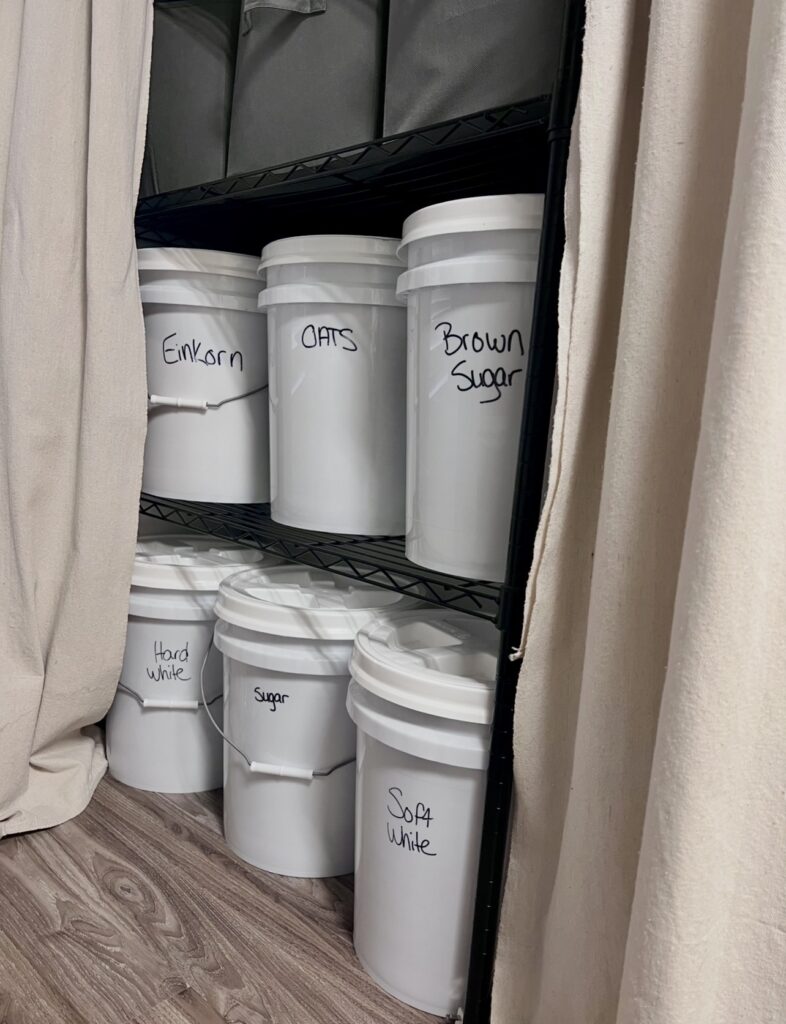
This is how I personally think about it now:
Layer 1: Daily Pantry
Your everyday items:
- sugar, oats, spices
- open containers you use constantly
- quick-access ingredients
Layer 2: Working Pantry
Your rotating backup:
- bulk items in storage bins or buckets
- canned goods you regularly cycle through
- items you refill your daily pantry from
This is your “I shop ahead so I don’t run out” layer.
Layer 3: Emergency Pantry
Your long-term storage:
- sealed mylar bags
- 5-gallon buckets
- freeze-dried or shelf-stable foods
- long-term insurance against disruption
This is what you can pull from if normal access to food is limited.
If you’re still wondering why building an emergency pantry matters, read my post on Why Every Homemaker Needs an Emergency Pantry, where I talk more about the heart behind preparedness.
How Do You Even Start? (Without Feeling Overwhelmed)
This is usually where people get stuck.
So here’s the simplest starting point:
Start with two weeks of food.
Not a year. Not six months. Just two weeks.
On your next grocery trip:
- pretend you are feeding your family for 14 days
- double your normal quantities
- focus on what your family already eats
If money is tight, build it slowly:
- one week focus on canned goods
- another week focus on meats or freezer items
- build layer by layer over time
The goal is simple:
If you could not leave your house for two weeks, you could still feed your family three meals a day.
Once that feels solid, you build another two weeks.
Slowly, you build stability—not stress.
Helpful Tools to Start Your Pantry System
You don’t need everything at once, but these help as you grow:
Deep freezer
This completely changes how much food you can store and prep ahead.
Vacuum sealer
Perfect for:
- bulk meat purchases
- freezer meals
- reducing waste and saving space
Canning supplies
Water bath and pressure canning give you true independence from store reliance.
Mylar bags + oxygen absorbers
These are for long-term storage—not needed in the beginning.
Storage bins / shelving
Every home is different. The key is simply knowing where everything will live.
How to Rotate Your Pantry (Without Waste or Stress)
Pantry rotation is one of those things that sounds complicated—but it doesn’t have to be.
It really just comes down to a simple, repeatable system.
Step 1: Label everything clearly
As soon as food comes into your home, date it.
Use whatever is easiest:
- Sharpie on cans and boxes
- masking tape on jars
- labels on bulk containers
The important part is not the method—it’s consistency.
Make the date big and easy to see so you never have to guess.
Step 2: Follow First In, First Out (FIFO)
This simply means:
👉 the oldest food gets used first
When you bring groceries home:
- move older items to the front
- place new items behind them
- always grab from the front first
This one habit prevents most food waste without extra effort.
Step 3: Organize by category
Keep similar items together so you can actually see what you have:
- canned goods
- grains and baking supplies
- freezer meals and meats
- snacks and quick meals
When everything has a place, rotation becomes automatic instead of something you have to think about.
Step 4: Cook from what needs used first
Instead of deciding meals from scratch, start here:
- items closest to expiration
- opened containers
- foods you’ve had the longest
Let your pantry guide your meals.
This alone reduces waste and saves money without any extra planning system.
Step 5: Do a simple monthly reset
Once a month, take 10–15 minutes to:
- scan expiration dates
- pull older items forward
- note anything you’re running low on
That’s it.
No spreadsheets required at the beginning. Just awareness and consistency.
Over time, it becomes maintenance—not management
The goal isn’t perfection.
It’s a pantry that quietly runs in the background of your home, supporting your family without demanding constant mental energy.
What About Budget?
This is the biggest hurdle for most families.
The truth is—you don’t need extra money, you just need intention.
Instead of spending more overall, you:
- buy a few extra items each trip
- stock what is on sale
- shift your grocery focus weekly
Sometimes that means adjusting in real time:
If meat is on sale, you prioritize that instead of extras elsewhere.
Small, consistent steps build something big over time.
What If You Don’t Have Space?
You don’t need a perfect pantry room.
You can store food:
- in closets
- under beds
- in garage bins
- in unused cabinets
- along vertical shelving spaces
It’s less about having space—and more about using the space you already have wisely.
Am I Being Over the Top?
I used to ask myself this too.
But honestly… we already prepare for life in so many ways.
We:
- insure our homes and vehicles
- prepare for weather changes
- keep emergency items in our cars
- plan meals and groceries ahead of time
Preparedness isn’t fear.
It’s wisdom.
It’s simply acknowledging that we don’t know what tomorrow holds—but we can take care of today in a way that blesses tomorrow.
Final Thought
A pantry system isn’t built in a day.
It’s built slowly, intentionally, and peacefully over time.
Start where you are. Use what you have. Build as you go, and if you’re just getting started, remember: your goal isn’t perfection. Your goal is peace. Every extra bag of rice, every extra can on the shelf, and every thoughtful grocery trip is one more step toward a calmer, more prepared home.