Spring Cleaning When You’re Overwhelmed (Simple Steps for a Messy, Busy Home)
Something that always seems to drag down our home is when it starts to feel chaotic and messy. Spring cleaning when you’re already overwhelmed can feel impossible before you even begin.
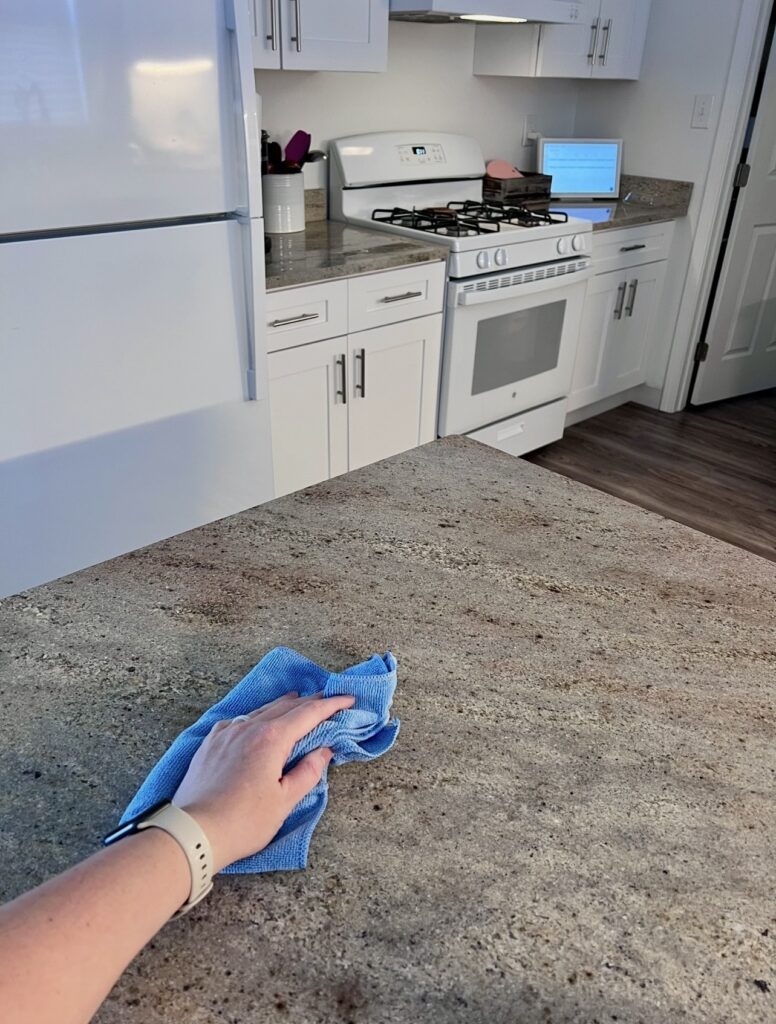
When nothing has a place, things are scattered everywhere, and every surface feels cluttered—it’s easy to feel like you’re already behind before you even start.
Daily cleaning slowly turns into constant resetting. You’re just putting things back where they belong over and over again, and even that begins to feel like too much.
So when spring cleaning season arrives and it suddenly feels like you’re supposed to deep clean everything you haven’t touched in months, it can quickly become overwhelming.
There are already so many responsibilities in a normal day—homeschooling, meals, laundry, and keeping the house running—and now it feels like there are dozens more tasks added on top just to feel caught up.
It’s no wonder spring cleaning feels so heavy.
A Simple Reminder for the Season
“Prepare your work outside; get everything ready for yourself in the field, and after that build your house.” – Proverbs 24:27
There is wisdom in working in order instead of overwhelm—preparing before trying to do everything at once.
Why Spring Cleaning Feels So Hard
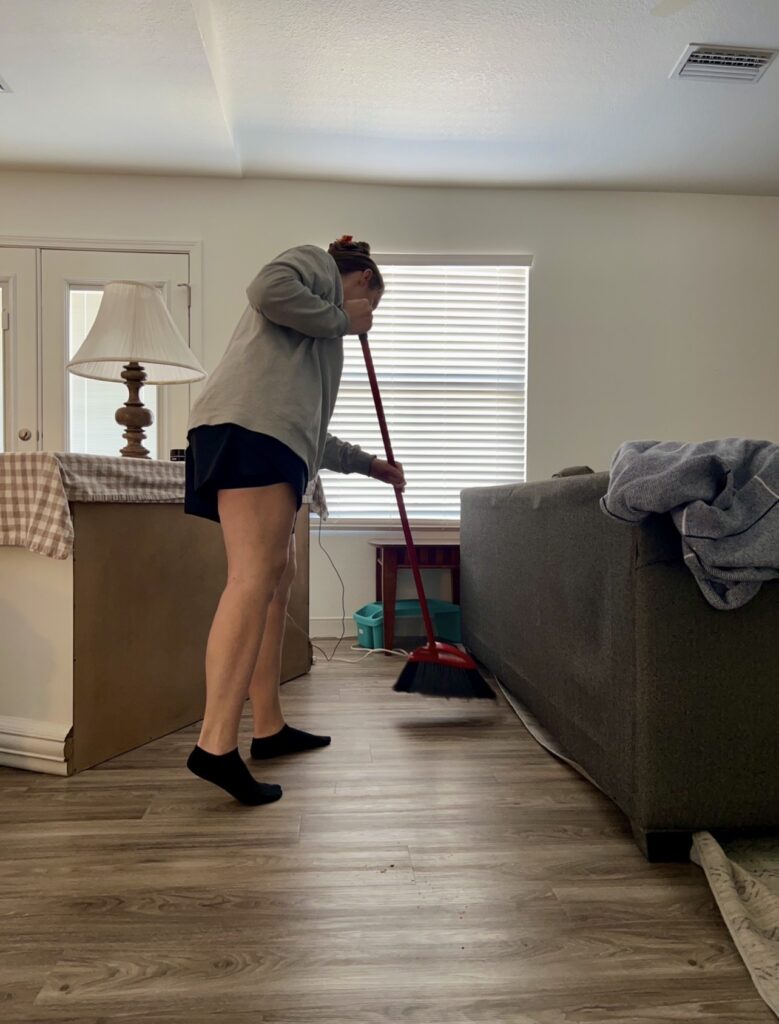
Spring cleaning doesn’t feel hard because you’re lazy—it feels hard because life is already full.
That’s why spring cleaning when you’re overwhelmed feels less like a project and more like an impossible weight.
You’re trying to keep up with everyday responsibilities, and then suddenly it feels like you’re expected to add an entire second workload on top of everything else.
Most of the time, there’s also no clear plan.
It often looks like standing in the middle of your home not knowing where to start—so you pick up a few things in the living room, get distracted by the kitchen counter, start wiping something down in the bathroom, and suddenly nothing actually feels finished.
You don’t actually know:
- what needs to be cleaned
- what can wait
- where to even begin
So you end up doing a little of everything… and finishing nothing.
On top of that, there’s pressure.
It’s easy to look online and feel like your home should be spotless and perfectly organized all the time.
And when you’re already tired, that comparison can make your own home feel worse than it actually is—because you’re measuring real life against curated moments that don’t show the mess in between.
But real homes—especially homes with children—don’t work that way.
There has to be room for both living and maintaining.
Where to Start (The Pre-Clean Step)
So where do you actually start?
The best thing I’ve found is to start with what I call a pre-clean.
Instead of jumping straight into deep cleaning, start with your normal weekly tasks:
- floors
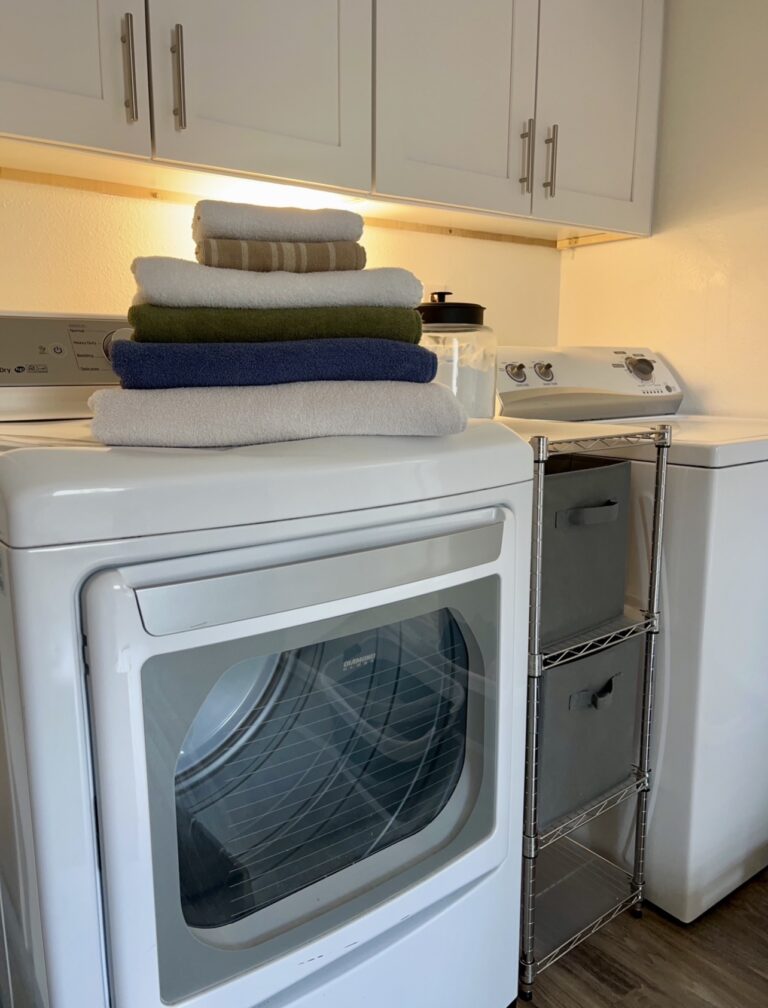
- bedding
- bathrooms
- basic resets
While you’re already in those spaces, start noticing what actually needs deeper attention.
Write it down as you go.
That’s where your real cleaning list comes from:
- Your junk drawer that won’t close anymore
- The pile on the counter that keeps moving but never disappears
- The bathroom cabinet you avoid opening
This step alone removes so much overwhelm because now you’re working with a real plan—not just mental chaos.
Once it’s written down, it stops living in your head—and everything starts to feel a little more manageable.
The Reset & Refresh Approach
Instead of trying to do everything at once, I started using a simple approach in our home.
I call it Reset & Refresh.
Rather than doing everything in one exhausting season, I:
- keep up with basic weekly cleaning
- notice deeper tasks as I go
- and slowly work through them over time
This turns spring cleaning into something manageable instead of overwhelming.
This is what makes spring cleaning when you’re overwhelmed feel more manageable over time—it stops being one giant project and becomes small, steady progress.
It’s not about doing more—it’s about doing it differently.
This same idea of simple systems shows up in how we plan meals too—like our easy weekly meal rhythm, which removes a lot of daily decision fatigue in the kitchen.
Work in Short, Focused Bursts
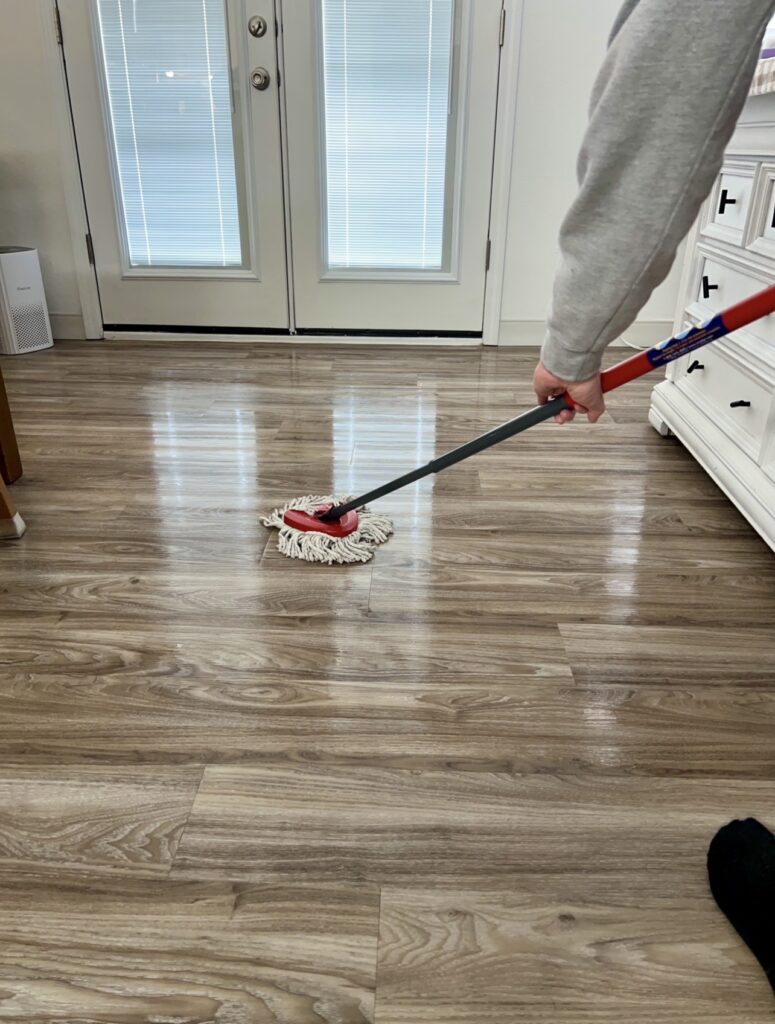
You don’t need to clean your entire house in a weekend.
In fact, that usually leads to burnout.
Instead, work in short time blocks:
- 30 minutes
- 1 hour max
Set a timer and focus only on what you can realistically do in that window.
When the timer ends, you’re done—even if the task isn’t completely finished.
You’re not trying to finish everything. You’re simply moving your home forward.
This keeps you consistent without feeling consumed by cleaning.
Group Tasks Instead of Scattering Your Energy
Another helpful shift is grouping tasks instead of bouncing around the house.
Instead of:
- a little bit of everything everywhere
Try grouping tasks together so your brain can stay in one mode instead of constantly switching.
For example:
- do all bathrooms at once (toilet, sink, mirrors, floors)
- do all dusting in one sweep through the house
- do all floors in a single focused block
Or if your home works better room-by-room, stay in one space until it feels fully reset before moving on.
The goal isn’t to do more—it’s to stop scattering your energy so everything stops feeling half-finished.
Don’t Do It Alone If You Don’t Have To
When possible, involve your family.
Even small help makes a difference:
- decluttering together
- assigning simple tasks to kids
- tackling shared spaces as a team
Home care is not meant to fall on one person alone.
How to Start Today (Even If You’re Overwhelmed)
If your home feels overwhelming right now, don’t try to fix everything at once.
Start with this simple reset:
- Do a quick 10–15 minute basic reset (dishes, counters, surface clutter)
- Pick just one small area (a drawer, a counter, a corner of a room)
- Set a timer for 20–30 minutes
- As you go, write down anything else you notice that needs attention
That’s it.
You don’t need a full plan today—you just need a starting point.
And most importantly, stop when the timer ends.
Even small progress counts. You’re not trying to finish your home—you’re just helping it feel a little more manageable again.
A simple daily rhythm can also help reduce overwhelm in other areas of home life, not just cleaning.
A Simpler Perspective on Cleaning Systems
Over time, I realized something important.
Trying to save all deep cleaning for one season is what makes it feel overwhelming in the first place.
But when you slowly maintain your home throughout the year, spring cleaning becomes less about starting over—and more about a simple reset.
Not perfect. Not rushed. Just intentional. Because you don’t need a perfectly clean house—you need a home that feels manageable again.
Final Thoughts
Spring cleaning doesn’t have to be a complete overhaul of your home in a matter of days.
It can be slow.
It can be simple.
And it can fit into the life you’re already living.
You don’t need a perfect house.
You need a home that feels peaceful and manageable for your family.
The goal of spring cleaning when you’re overwhelmed isn’t perfection—it’s progress.
Start small.
Work consistently.
And give yourself permission to take it one step at a time.