How to Create a Daily Rhythm for Stay-at-Home Moms

One of the hardest adjustments many women face when they begin staying home full-time is the sudden lack of structure. Creating a daily rhythm for stay-at-home moms can bring peace, direction, and a gentle flow to days that once felt overwhelming.
For years, life may have been shaped by clock-in times, lunch breaks, commutes, calendars, and deadlines. Then suddenly, you are home with children, meals to make, laundry to fold, errands to run, and a household to manage—but no clear roadmap for how the day should flow.
That transition can feel surprisingly overwhelming.
Many mothers assume they need a strict schedule to be productive. But for families with young children, rigid routines often create more stress than peace.
Many families are choosing this slower, more intentional way of living for reasons like burnout, shifting priorities, and a desire to be more present with their children, which I talk about more in why more moms are choosing to stay home in today’s world.
That is why creating a daily rhythm for stay-at-home moms can be so helpful.
A gentle rhythm gives your home structure without making everyone feel rushed. It brings predictability while still leaving room for real life, interruptions, and changing needs.
When you learn to build a rhythm that works for your family, your days can begin to feel calmer, lighter, and far more manageable.
What Is a Daily Rhythm?
A daily rhythm is different from a strict schedule.
A schedule says:
- Breakfast at 7:00
- School at 8:00
- Laundry at 9:15
- Snack at 10:30
- Lunch at 12:00
- Quiet time at 1:00
- Outside play at 3:00
- Start dinner at 5:00
- Baths at 6:30
- Bedtime at 7:30
A rhythm says:
- Wake up
- Breakfast
- Morning chores
- Learning time
- Snack if needed
- Outside play
- Lunch
- Quiet time
- Tidy the home
- Laundry reset
- Afternoon play or errands
- Start dinner
- Family time
- Baths
- Bedtime routine
Do you see the difference?
A schedule is ruled by the clock.
A rhythm is guided by the natural flow of your family life.
For many stay-at-home moms, rhythms feel more realistic because children do not always cooperate with exact time blocks. Babies need naps. Toddlers melt down. Someone spills milk. Someone cannot find a shoe. Life happens.
A rhythm allows flexibility without chaos.
It also helps children know what to expect next, which often creates more peace in the home.
Why a Daily Rhythm Works Better Than a Schedule
Many mothers feel discouraged because they cannot stick to a perfectly timed routine.
The truth is, most homes do not need military precision.
They need gentle anchors.
When your family knows that breakfast comes first, then chores, then school, then outside time, then lunch, then quiet time, the day naturally begins to flow.
That rhythm becomes the backbone of your household.
It supports everyone without controlling everyone.
How Our Family Uses a Daily Rhythm
Every family will look different because every family has different needs.
For example, we homeschool, and our family functions best early in the day. We usually do schoolwork in the morning because that is when everyone has the most focus.
We do not begin school at exactly the same time every day.
Some mornings we begin early. Other mornings we start later.
But the order usually stays the same:
- Wake up slowly
- Morning snuggles
- Drinks to wake up and hydrate
- Breakfast
- Homeschool time
- Outside play
- Lunch
- Quiet time
That consistency gives the children security while still allowing flexibility.
No one feels rushed, and no one is behind.
That is the beauty of rhythm.
Morning Rhythm Ideas for Stay-at-Home Moms
Mornings often set the tone for the whole home.
Instead of trying to do everything before the children wake, focus on a few simple anchors:
- Open the curtains and let in natural light
- Make beds
- Start coffee or breakfast
- Get everyone dressed
- Tidy the kitchen from the night before
- Begin the day calmly
Your morning rhythm does not need to look perfect online.
It only needs to serve your family well.
Midday Rhythm Ideas
The middle of the day is often where many homemakers lose momentum.
That is why it helps to have a simple midday rhythm.
Examples:
- Finish schoolwork
- Outside playtime
- Switch laundry
- Quick house reset
- Prepare lunch
- Eat together if possible
In our home, lunch is an important anchor point because my husband comes home for lunch. It gives us time together in the middle of the day, which feels like a true blessing.
Your midday rhythm may look different, but having one can keep the day from unraveling.
Why Quiet Time Matters

Quiet time has been one of the most helpful rhythms in our home.
Even when children outgrow naps, they still benefit from daily rest.
Quiet time can look like:
- Reading books
- Playing independently
- Resting
- Drawing
- Quiet hobbies
For moms, it can also be the perfect time to:
- Fold laundry
- Prep dinner
- Reset the kitchen
- Shower in peace
- Sit down with coffee
- Simply breathe
Quiet time is not laziness.
It is wisdom.
Evening Rhythm for a Peaceful Home
Evenings often feel stressful when the day has been chaotic.
But when the home has followed a gentle rhythm all day, evenings become much smoother.
Simple evening anchors may include:
- Dinner together
- Kitchen cleanup
- Baths
- Pajamas
- Family prayer or reading
- Bedtime routine
- Light reset for tomorrow
Children thrive when evenings feel calm and predictable.
So do parents.
How to Create a Daily Rhythm That Works for Your Family
You do not need to overhaul your life overnight.
Start small.
Step 1: Identify Your Daily Anchors
Choose the things that happen every day anyway:
- Breakfast
- Lunch
- Dinner
- Bedtime
These are natural markers for your day.
Step 2: Add One Productive Block
Ask yourself:
When do I function best?
- Early morning
- Midday
- Evening
Use your strongest hours for your most important tasks.
Step 3: Build One Habit at a Time
For example:
I know bathrooms need cleaned weekly, so I made Wednesdays bathroom day.
That one small decision removed stress because I no longer wonder when it will happen.
Simple systems create peace.
Step 4: Let It Be Imperfect
Some days will go beautifully.
Other days will fall apart.
That does not mean the rhythm failed.
It simply means you are living real life.
Tomorrow is a fresh start.
Daily Rhythms for Stay-at-Home Mom Can Be Weekly Too
Not every rhythm must happen daily.
Some rhythms happen weekly:
- Monday errands
- Wednesday bathroom cleaning
- Friday baking day
- Saturday family reset
Older generations understood this well. Certain tasks were tied to certain days, which helped the household keep moving.
That wisdom still works today.
Homemaking Is Meaningful Work
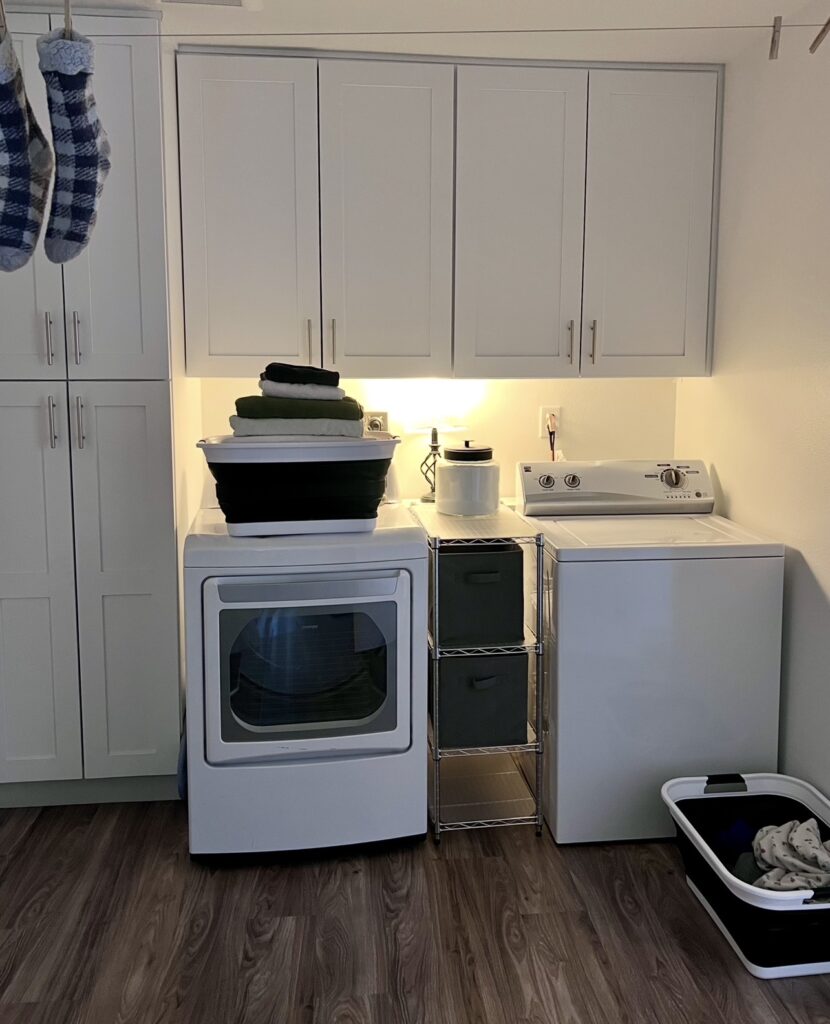
Much of homemaking is repetitive and unseen.
Meals are eaten and need made again. Laundry is folded and reappears. Floors are cleaned and somehow dirty again.
But that does not make the work small.
You are creating a place where your family can rest.
You are building security for your children.
You are bringing order where there would otherwise be chaos.
You are shaping the feel of your home day after day.
Those quiet routines become part of childhood memories.
Peace in the home is rarely built in one grand moment.
It is built slowly, through daily faithfulness.
Encouragement for the Stay-at-Home Mom
If you feel behind, overwhelmed, or unsure where to begin, start with one small routine.
- Breakfast together
- Quiet time each afternoon
- A simple bedtime routine
You do not need a perfect schedule.
You need a gentle rhythm that serves your family.
That peace grows over time.
Keep going.
“The wise woman builds her house, but folly with her own hands tears it down.” -Proverbs 14:1